
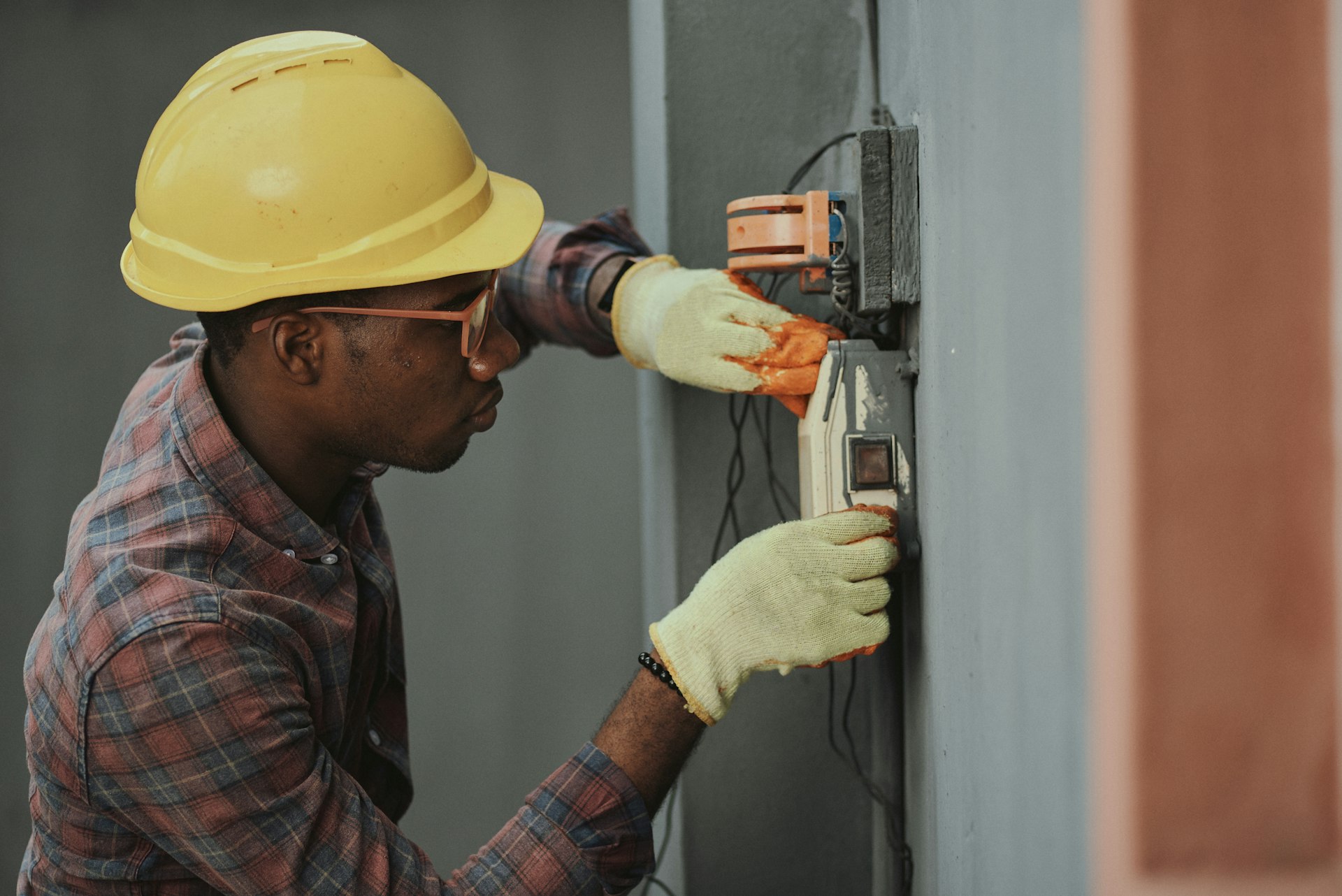
A symptom is a starting point, not a diagnosis
Loss of power, flickering, recurring protective-device trips or a damaged device can have different causes. The useful information is what happened, where and when, not a guess made from equipment age. A Licensed Electrical Contractor should assess the installation within a defined diagnostic scope and explain the identified cause before repair work is approved.
Prepare the scope for your Vaughan property
Keep the affected area available for assessment and document what was discovered without handling exposed wiring. Share the construction stage and the trades already working in the space.
Ask for the fault finding, necessary repair and optional new installation to be described separately. Clarify whether work must stop in the affected area pending safe correction and who communicates that decision to the project coordinator.
What should the assessment establish?
If a Vaughan renovation exposes a possible electrical problem, give the contractor room to assess it before another trade alters or covers the area. Ask for a record of the condition found and the work necessary to address it. A renovation upgrade may be worthwhile at the same time, but its purpose should not be confused with the repair. Agree who communicates any restriction on using or working in the affected area. Changes to the construction schedule should follow the assessed condition and required review, rather than forcing an unexamined installation into the original timeline.
Questions before you agree to work
Can the price be confirmed from a description?
A description helps define the first assessment, but it may not establish the cause or repair scope. Ask what the initial charge covers and how a further quotation will be approved.
Does this site provide emergency dispatch?
No. The form is reviewed as an enquiry and does not provide urgent attendance. Immediate danger belongs with emergency services; arrange electrical work directly with a Licensed Electrical Contractor.