
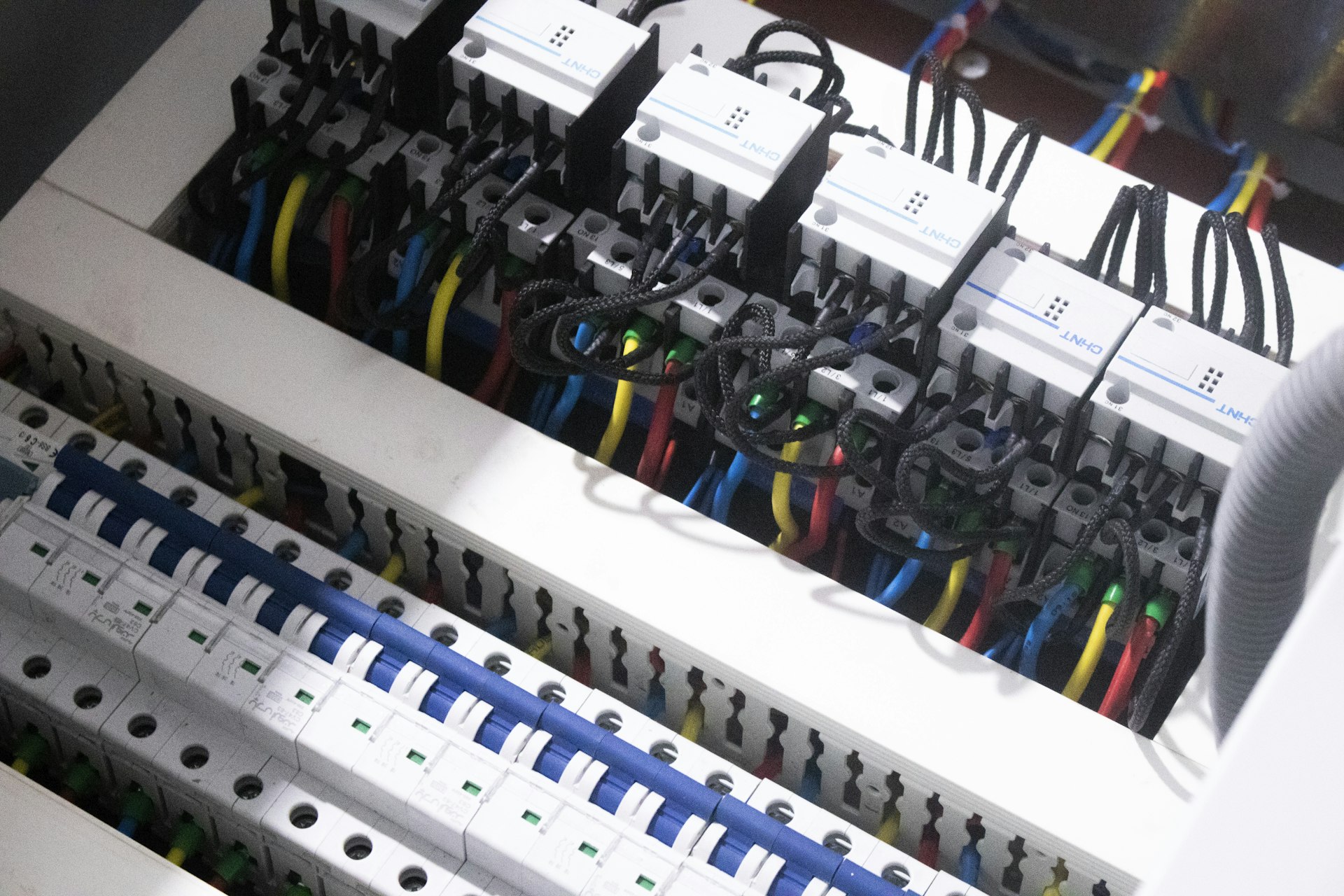
An extra receptacle does not establish extra capacity
Receptacle locations and circuit design answer different questions. More convenient plug-in points may share the same existing circuit. New appliances or specialty equipment may need a different connection, a dedicated circuit or other assessed work. Give the Licensed Electrical Contractor the equipment information and intended location so the proposal follows the actual use.
Prepare the scope for your Vaughan property
Mark the intended work areas, kitchen equipment and specialty devices on the plan. Explain where access will be easy before finishes and where the contractor will have to work through completed surfaces.
Ask which locations require new circuits and which can use an assessed existing circuit. Confirm device types, quantities and finishing responsibility in the written scope.
What should the assessment establish?
A Vaughan device-location plan can distinguish requirements from preferences. Mark the equipment connections that need assessment first, then the locations requested for convenience. Ask which items can use the assessed existing installation and which require new circuit work. Where access is available during renovation, confirm the timing and restoration boundary with the other trades. If a later appliance selection changes the connection requirements, revisit the affected circuit before purchase. The final quote should list devices and locations clearly enough that omissions can be identified before the walls are closed.
Questions before you agree to work
Will adding an outlet solve recurring trips?
Not necessarily. A recurring trip needs diagnosis. Another outlet on the same circuit may not change the cause or available capacity.
Should I buy the device before assessment?
Share the equipment requirements first. The contractor can confirm the appropriate connection and protection so a purchase does not dictate an unsuitable installation.